May 1, 2026
Your home’s exterior does more than create curb appeal—it serves as the first line of defense against weather, pests, and structural wear. Siding plays a crucial role in protecting your home from moisture, temperature fluctuations, and environmental damage. Over time, however, even the most durable materials begin to break down, leaving your home vulnerable to a variety of issues. Recognizing the early warning signs can help you take action before minor problems become costly repairs.
Knowing when it’s time to consider a siding installation can save you money and prevent long-term damage to your property. While some issues may be easy to spot, others can go unnoticed until they escalate into serious concerns. By understanding what to look for, homeowners can make informed decisions about maintenance, repair, or replacement. In this guide, we’ll explore the most common indicators that your home may need new siding and why addressing these issues promptly is essential.
Identifying Visible Exterior Damage
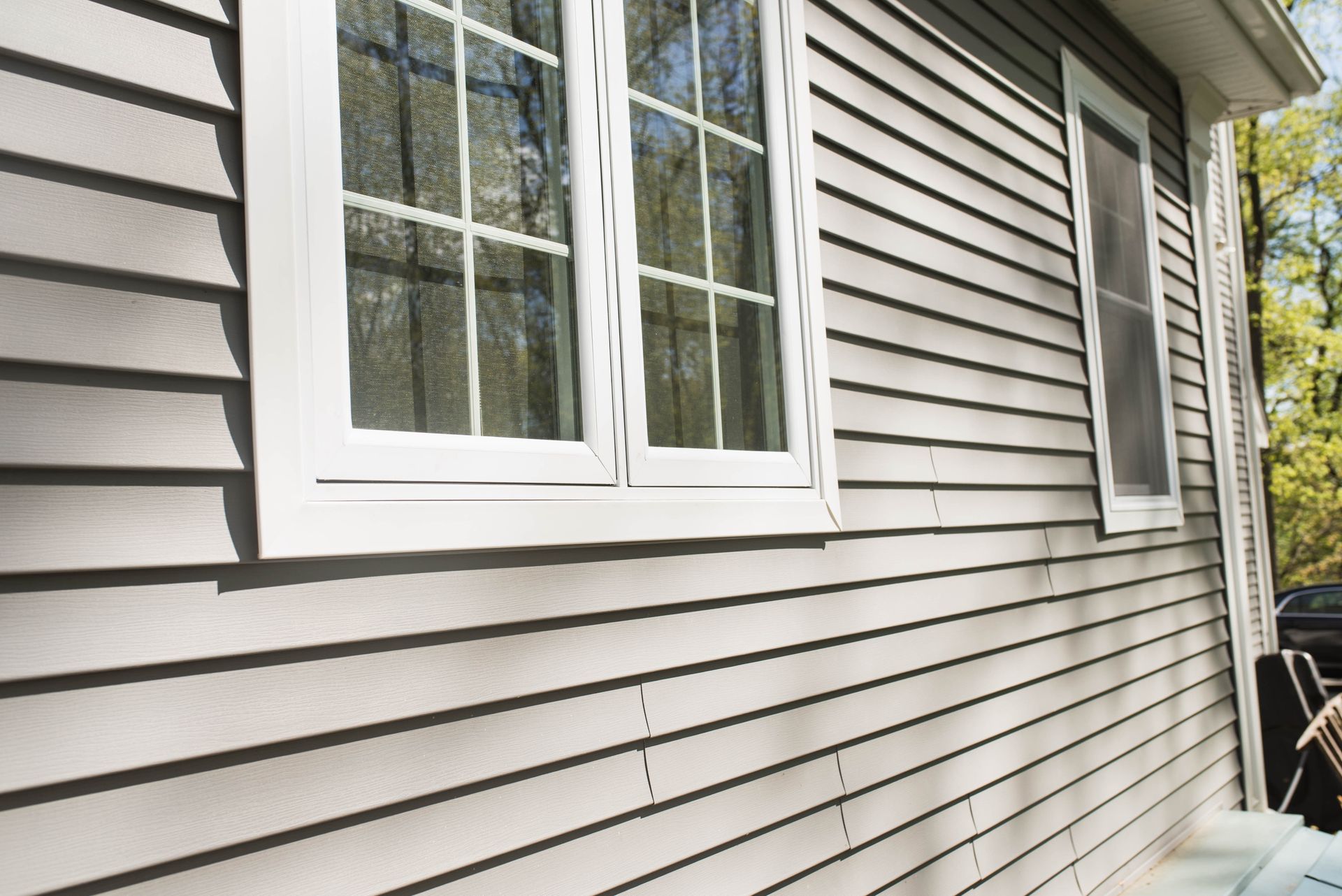
One of the most obvious signs that your home may need a siding installation is visible damage to the exterior. Cracks, chips, and holes in siding panels are not just cosmetic concerns—they can allow moisture and pests to enter your home. Even small imperfections can grow over time, especially when exposed to harsh weather conditions. Ignoring these signs can lead to more extensive structural issues beneath the surface.
Warping and buckling are also clear indicators that something is wrong with your siding. These issues often occur when moisture becomes trapped behind the panels, causing them to swell and lose their shape. This not only affects the appearance of your home but also compromises its protective barrier. When siding no longer sits flush against your home, it cannot effectively shield it from the elements.
Fading and discoloration may seem like minor aesthetic problems, but they can signal deeper issues. Siding that has lost its color may have also lost its weather resistance and protective coating. This means it is more susceptible to damage from UV rays, rain, and wind. If your siding looks significantly worn or uneven in color, it may be time to consider a replacement.
Another important sign to watch for is loose or missing panels. Strong winds and storms can dislodge siding, leaving parts of your home exposed. Even if only a small section is affected, it can lead to water infiltration and insulation problems. Addressing these issues quickly can prevent further damage and maintain the integrity of your home’s exterior.
Increasing Energy Costs That Point to Inefficiency
If you’ve noticed a steady rise in your energy bills, your siding could be part of the problem. Damaged or aging siding can allow air to escape, making it harder to maintain a consistent indoor temperature. This forces your heating and cooling systems to work harder, increasing energy consumption. Over time, these inefficiencies can add up to high costs.
Proper insulation is a key function of quality siding, and when it begins to fail, your home’s energy efficiency suffers. Gaps, cracks, and worn materials can create drafts that make your home less comfortable. You may notice certain rooms feeling colder in the winter or warmer in the summer. These inconsistencies are often linked to compromised siding.
Moisture infiltration can also affect your home’s insulation, reducing its effectiveness. When water seeps behind siding, it can damage insulation materials and lead to mold growth. This not only impacts energy efficiency but can also pose health risks to your family. A timely siding installation can help restore proper insulation and improve indoor comfort.
Investing in updated siding can provide long-term savings by improving your home’s energy performance. Modern materials are designed to offer better insulation and durability, reducing the need for frequent repairs. By addressing inefficiencies early, you can lower your utility bills and create a more comfortable living environment.
Noticing Interior Warning Signs
Sometimes the signs of failing siding appear inside your home rather than outside. Peeling paint or wallpaper can indicate that moisture is seeping through your walls. This often happens when siding is no longer providing an effective barrier against the elements. If left unaddressed, this moisture can lead to more serious structural problems.
Mold and mildew growth are also red flags that your siding may need attention. These issues typically develop in areas where moisture is present, such as behind damaged siding. Not only can mold cause unpleasant odors, but it can also affect indoor air quality. Addressing the root cause is essential to preventing recurring problems.
Water stains on walls or ceilings can be another sign of siding failure. These stains often appear as discolored patches and may grow over time. They indicate that water is entering your home, which can weaken structural components and lead to costly repairs. Identifying the source of the problem early can help minimize damage.
In some cases, you may notice an increase in indoor humidity levels. This can make your home feel uncomfortable and contribute to issues like condensation on windows. Poor siding performance can allow moisture to enter and disrupt your home’s balance. Replacing your siding can help restore proper moisture control and improve overall comfort.
Aging Materials and Long-Term Performance Concerns
The age of your siding is an important factor in determining whether it’s time for a replacement. Most siding materials have a lifespan, and once they reach that limit, their performance begins to decline. Even if your siding appears to be in decent condition, it may no longer provide the protection your home needs. Regular inspections can help you assess its overall condition.
Older siding materials may not meet modern standards for durability and energy efficiency. Advances in technology have led to the development of more resilient and efficient options. Upgrading to newer materials can enhance your home’s performance and reduce maintenance requirements. This is especially important for homeowners looking to improve long-term value.
According to Nedes Estimating, metal siding can yield an ROI between 85% and 89%. This makes it a strong investment for homeowners considering an upgrade. Not only does it offer durability, but it also contributes to increased property value. Choosing the right material can make a significant difference in both performance and return on investment.
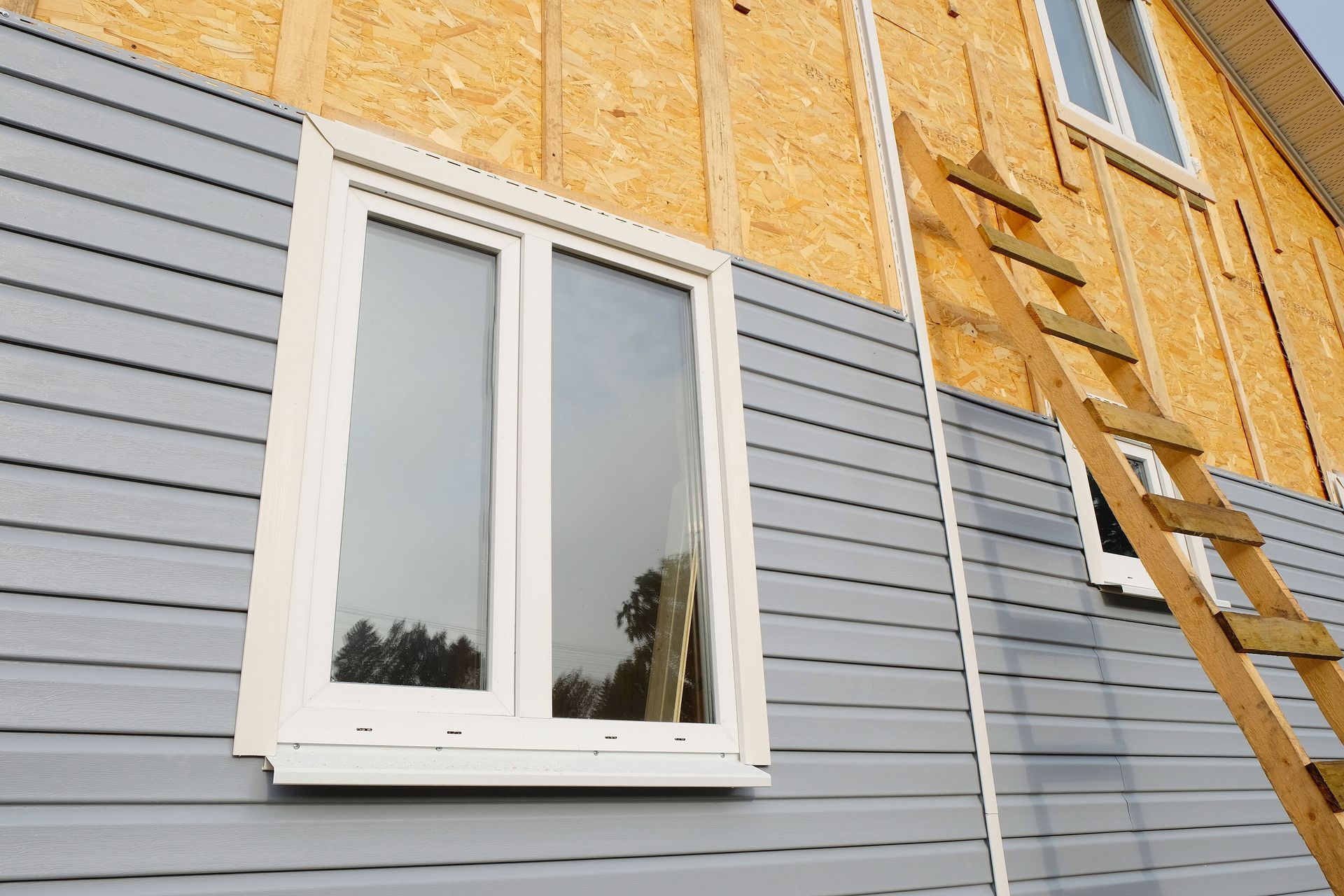
Delaying a necessary siding installation can lead to more extensive and expensive repairs in the future. As materials continue to deteriorate, the risk of structural damage increases. Taking proactive steps to replace aging siding can help protect your home and provide peace of mind. It’s an investment that pays off in both functionality and appearance.
Recognizing the signs that your home needs new siding is essential for maintaining its structure, efficiency, and appearance. From visible damage and rising energy costs to interior warning signs and aging materials, each indicator plays a role in assessing your home’s condition. Addressing these issues early can prevent more serious problems and save you money in the long run. A well-timed siding installation ensures your home remains protected and comfortable for years to come.
By staying proactive and paying attention to these warning signs, homeowners can make informed decisions about their property. Investing in new siding not only enhances curb appeal but also improves energy efficiency and structural integrity. Whether you’re dealing with minor wear or significant damage, taking action is key. A siding installation is an investment in the longevity and value of your home. If you’re noticing signs of wear or damage, now is the time to act—contact us at 4 Corners Exteriors to schedule a professional evaluation and get started with your siding installation. Give your home the protection and updated look it deserves with help from a team that knows how to get the job done right.