April 30, 2026
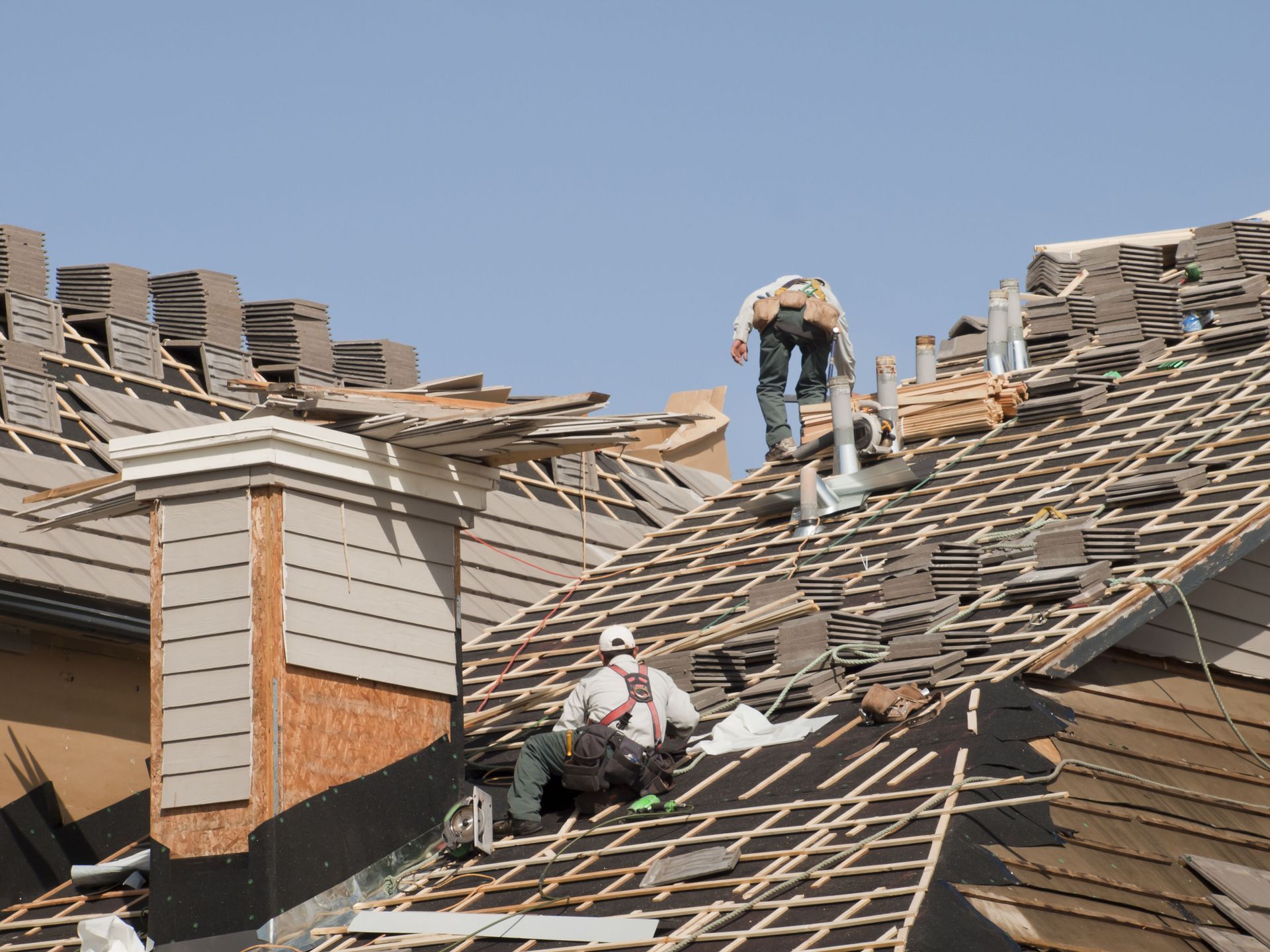
The roof is one of the most critical components of any home, offering protection from the elements and contributing to the overall structural integrity of the building. Yet, many homeowners are unsure about when it's time to replace their roof. Understanding the lifespan of different roofing materials is fundamental to making these decisions. Many homeowners also turn to reliable roofing companies for guidance when evaluating roof age, performance, and replacement timing. Additionally, knowledge of environmental factors and necessary maintenance can ensure your roof remains effective for as long as possible.
Understanding the Lifespan of Different Roofing Materials
Different roofing materials have varied lifespans, and understanding these can help in making informed decisions about roof replacement. Starting with asphalt shingles, these are the most common due to their cost-effectiveness and relatively reliable performance. In our experience, asphalt shingles last between 15 to 30 years, though this can vary based on the quality of the shingles and local climate conditions. Homeowners often consult reliable roofing companies to compare how various materials perform over time in their region. On the other hand, we've seen that metal roofing is renowned for its longevity, with a lifespan that often exceeds 50 years, making it a popular choice for those seeking durability. Clay and concrete tiles offer another durable option.
Wood shingles and shakes are another choice, but they require more attention to avoid issues like rot and insect damage. Meanwhile, slate roofing stands as one of the most long-lasting options, potentially enduring well over a century if appropriately maintained. Each of these materials has its benefits and downsides, and homeowners should weigh factors such as cost, aesthetic appeal, and local weather conditions when selecting roofing materials. Additionally, environmental considerations play a critical role in determining how long each material may truly last in a specific geographic area.
In selecting the right roofing material, homeowners must also consider maintenance requirements and potential environmental impacts. Known for their aesthetic appeal and traditional look, wood shingles require consistent upkeep to prevent moisture-related issues, making them less suitable for areas with high humidity. On the contrary, metal roofing systems provide a more maintenance-free option with the added benefit of being recyclable. With slate roofs, though pricey, homeowners benefit from minimal repairs due to their exceptional durability. Many reliable roofing companies help property owners balance appearance, budget, and long-term performance when weighing these options. According to This Old House, over the past three years, over 30% of homeowners across the nation have pursued roof renovation, repair, or maintenance projects, underscoring the importance of understanding material longevity and maintenance needs.
Signs Your Roof Needs Replacement
Recognizing the signs that your roof may require replacement is crucial to maintaining the safety and integrity of your home. Water damage and leaks are prominent indicators of significant issues within the roofing system, suggesting that replacement may be necessary to prevent further damage to the home's interior. Constant signs of water intrusion can lead to the deterioration of underlying structures and might even promote mold growth, which can pose health risks. When water damage becomes evident, it is wise to consult with professionals, including reliable roofing companies, to assess the extent of the damage and to consider replacement options. Timely intervention can safeguard against extensive structural damage.
Curling, buckling, or missing shingles are additional signs indicating that a roof may have exceeded its useful lifespan. Such issues often result from aging materials, storm damage, or poor installation practices. If you notice shingles dislodging or curling up, it is essential to address these issues before leaks begin. While repairs can extend the life of the roof temporarily, they might not be a long-term solution. Replacing the roof may be more cost-effective in the long run, especially when the damage is extensive or recurrent.
Serious structural compromise can be signaled by daylight showing through roof boards, a clear indication that immediate attention and likely replacement is required. This situation exposes the home to weather damage and affects energy efficiency, leading to increased heating or cooling costs. Furthermore, excessive granules found in gutters often suggest weathering and aging shingles. When these granules accumulate extensively, it reflects a significant reduction in the roof's protective capabilities. Frequent repairs are also strong indicators that the roof has reached the end of its service life, as constant fixes become economically inefficient compared to a full replacement. In these situations, reliable roofing companies can help determine whether repairs are still practical or whether replacement offers better long-term value.
Impact of Climate on Roofing Longevity
The impact of climate on roofing longevity cannot be understated, as different weather conditions can drastically influence the wear and tear of roofing materials. Extreme weather conditions, such as hurricanes, hail, and heavy snowfall, can significantly shorten the lifespan of a roof. Such conditions place tremendous stress on roofing systems, resulting in frequent damage and necessitating quicker replacement. Homeowners in climates with severe weather variations should take extra precautions and perform regular inspections to identify potential vulnerabilities early on. Furthermore, reinforcing structures to withstand such conditions could prove beneficial, and reliable roofing companies can often recommend climate-appropriate upgrades.
UV exposure can also deteriorate roofing materials at an accelerated rate, especially in areas with a high ultraviolet index throughout the year. This constant sun exposure can cause materials to fade, crack, or otherwise degrade, reducing efficiency over time. While options like reflective coatings or choosing materials designed to resist UV radiation provide some relief, they still require regular maintenance to ensure ongoing effectiveness. Conversely, areas with high humidity levels often face issues like mold, mildew, and rot, which can weaken roofing systems. Proper ventilation and choosing materials resistant to moisture-related damage are crucial in these environments.
Temperature variations, where there is frequent cycling between hot and cold conditions, can also stress roofing materials, leading to rapid expansion and contraction. Such environmental conditions can lead to cracking or loosening of shingles, creating a need for frequent maintenance or potential replacement. Additionally, the presence of overhanging trees can contribute to moss growth and debris accumulation on the roof, accelerating decay and algae proliferation if not routinely cleaned. To mitigate these impacts, regular maintenance and strategic landscaping, like trimming trees to reduce overhang, are vital. Understanding these climate factors allows homeowners to select appropriate materials and maintenance schedules to prolong roof life, often with reliable roofing companies familiar with regional conditions.
Maintenance and Its Role in Roof Longevity
Regular maintenance plays a significant role in extending the life of a roof, providing a proactive approach to identifying and fixing potential problems. By performing regular inspections, especially after severe weather events, homeowners can detect issues such as loose shingles, damaged flashing, or minor leaks before they develop into significant problems. This foresight not only prevents costly repairs but also ensures that your roofing system remains structurally sound and efficient. Regular attention to small details often results in significant savings over time, contributing to the overall longevity of the roof. A well-maintained roof, therefore, signifies a crucial aspect of responsible home ownership.
Another critical maintenance task involves cleaning gutters to prevent water buildup that can cause damage to roofing materials and the underlying structure. Blocked gutters can result in water overflow, causing deterioration of shingle edges and encouraging moisture penetration into the roof and supporting walls. Making gutter cleaning a routine part of home maintenance helps in maintaining proper drainage and mitigating potential water-related issues. Furthermore, ensuring attic ventilation can assist in reducing heat buildup during warmer months and minimizing moisture accumulation during colder seasons, which keeps the roofing system balanced and efficient. Many reliable roofing companies also stress preventive maintenance programs to help homeowners stay ahead of avoidable damage.
Replacing a roof is a significant investment that requires careful consideration of various factors, including material lifespan, environmental impacts, and maintenance practices. By understanding these elements and planning proactively, homeowners can make informed decisions that ensure the longevity and performance of their roofs, protecting their homes for many years to come. With a strategic approach to selecting materials and maintaining regular upkeep, along with the careful choice of experienced contractors such as reliable roofing companies, roofs can be both durable and efficient. Whether renovating or replacing an existing roof, understanding how different aspects interplay offers a path to reliable and enduring home protection. A comprehensive understanding paves the way for smarter long-term homeownership, preserving both property value and peace of mind, so contact 4 Corners Exteriors today to learn more.