June 3, 2026
Choosing the right exterior cladding is one of the most critical decisions a homeowner can make regarding both property protection and curb appeal. The exterior material of a house acts as the primary shield against harsh weather elements, fluctuating temperatures, and structural pests while defining the overall architectural style. Because replacing your exterior cladding is a major investment, understanding the distinct advantages and drawbacks of the most popular materials is essential. Property owners frequently find themselves comparing vinyl, fiber cement, and metal options to determine which material aligns best with their budget, maintenance preferences, and stylistic goals. Navigating these choices requires analyzing how each material performs over time and how they impact the overall value of your residential investment.
When exploring these options, many people choose to consult with a qualified siding company to evaluate the specific environmental demands of their local climate. A professional siding company can provide valuable insights into regional weather patterns, structural requirements, and local building codes that might influence your material selection. Each option presents a unique combination of durability, aesthetic flexibility, and upfront cost, making the decision highly dependent on your individual priorities. By examining the unique characteristics of vinyl, fiber cement, and metal, you can confidently choose a material that enhances your home for decades.
Analyzing Vinyl Options
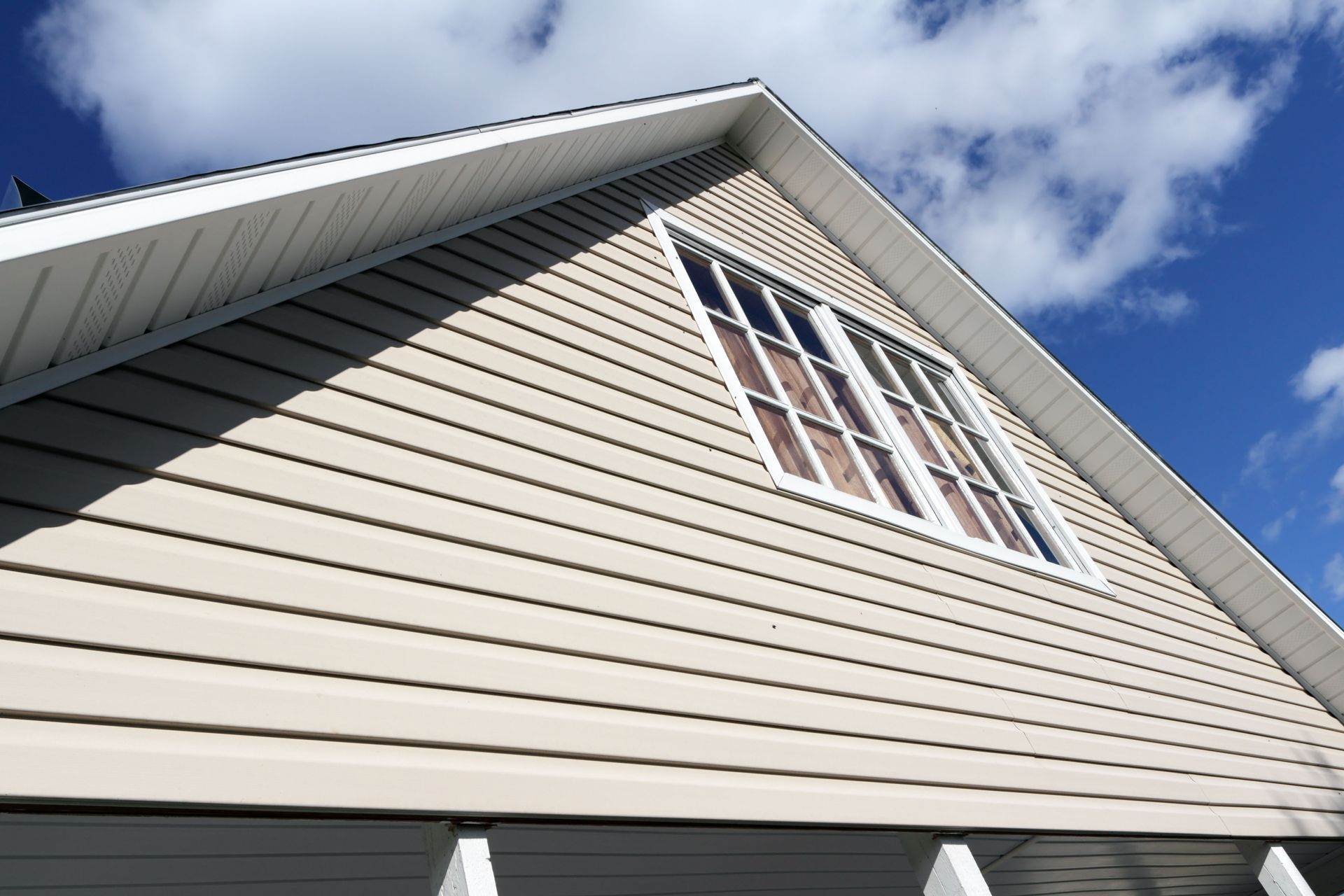
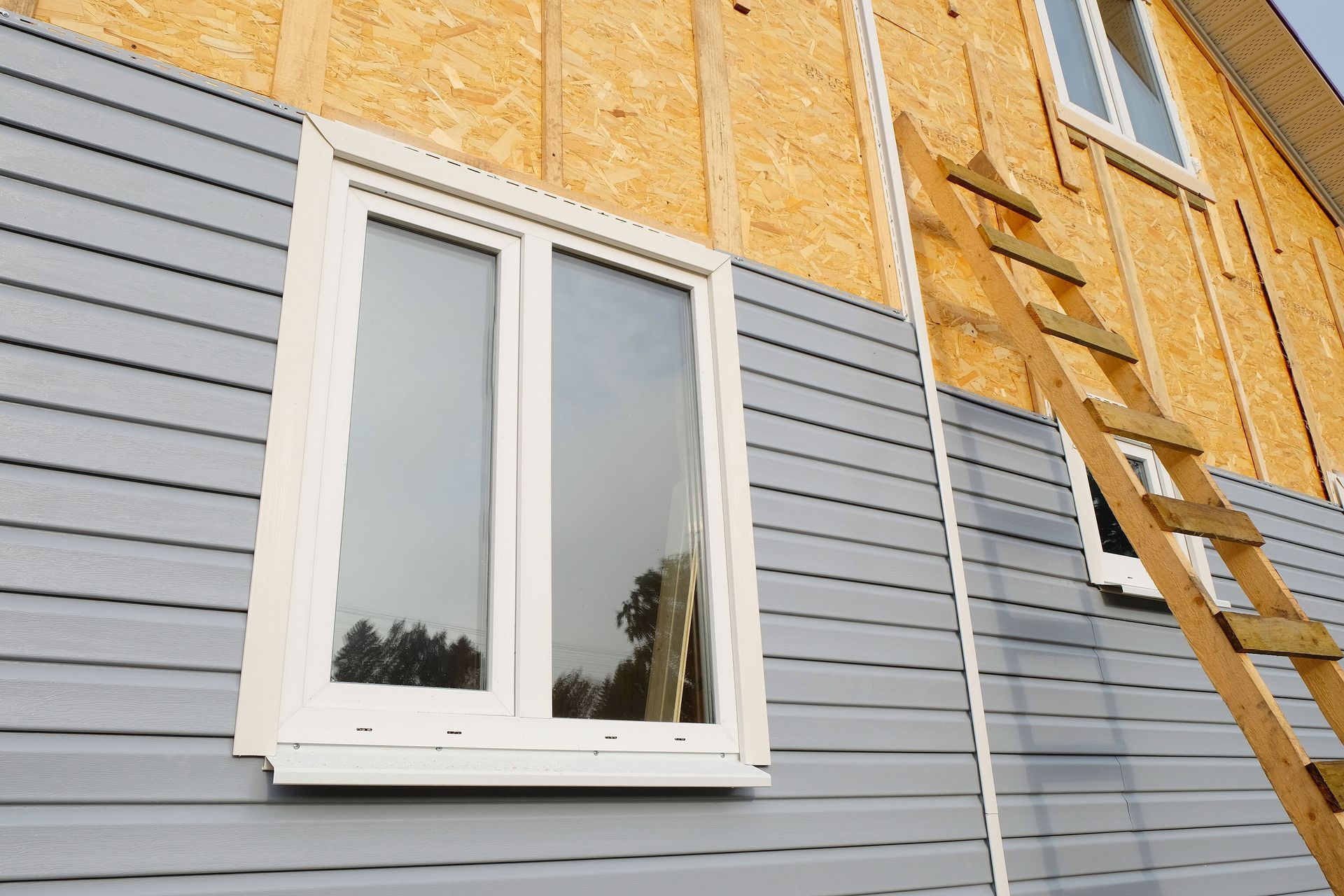
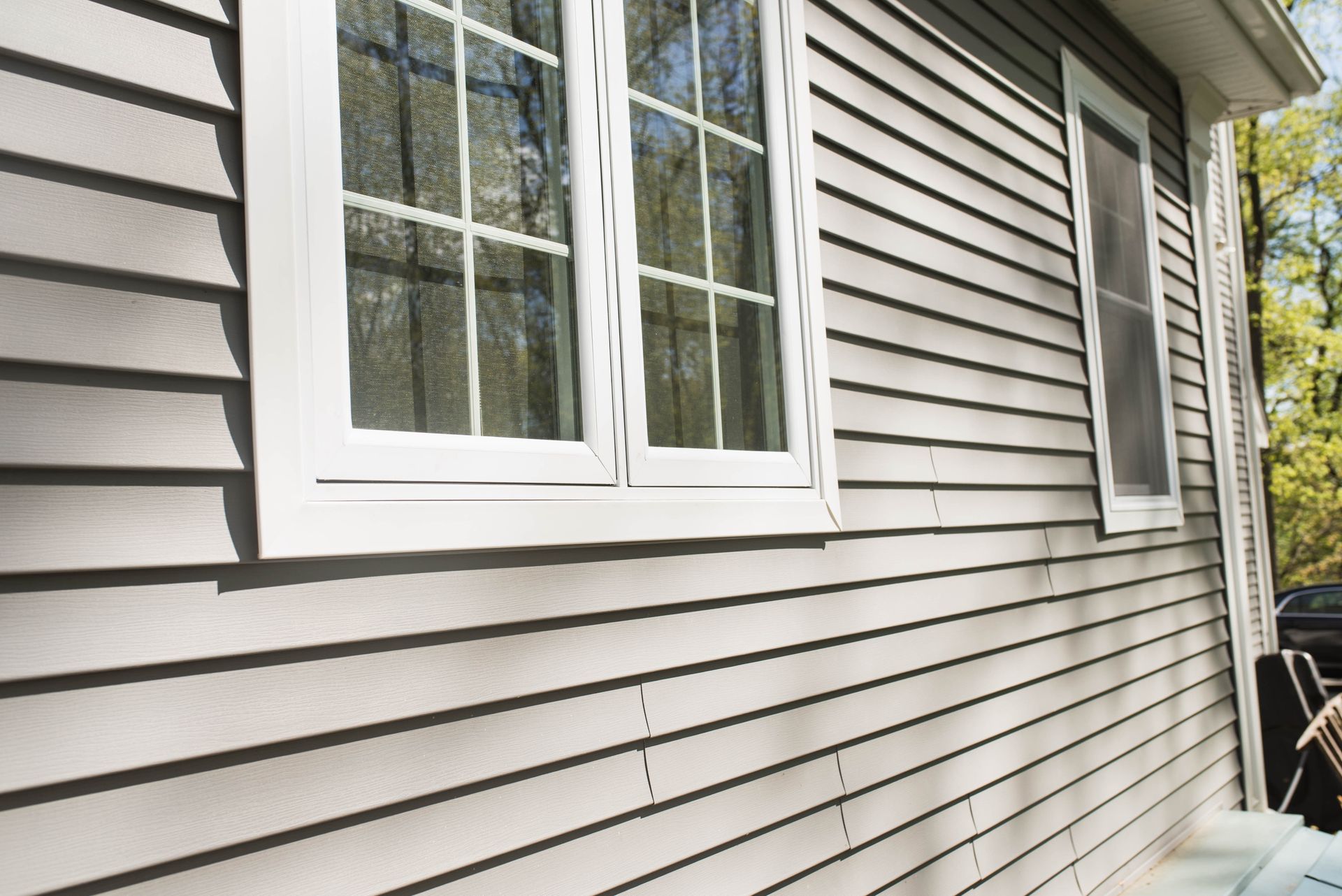
Vinyl remains a highly popular choice for residential properties across the nation due to its exceptional affordability and low maintenance requirements. This synthetic material is manufactured from high-grade polyvinyl chloride resin, which provides excellent resistance to moisture damage, rotting, and insect infestations. Unlike wood or alternative materials, vinyl does not require painting, staining, or sealing throughout its lifespan, saving homeowners significant time and money on routine upkeep. Modern manufacturing advancements have also introduced thicker panels and improved locking mechanisms, which enhance the overall wind resistance and structural integrity of the installation.
Homeowners also appreciate the immense variety of colors, profiles, and textures available when working with a certified siding company to select vinyl products. This material can mimic the appearance of traditional wood clapboard, cedar shakes, and even board and batten designs, allowing for great architectural versatility. It is important to note that standard vinyl can be susceptible to cracking under severe impact or warping during extreme temperature fluctuations if not installed correctly. However, specifying insulated vinyl options can improve the thermal efficiency of your home while adding rigidity to the individual panels for a flatter appearance.
Evaluating Fiber Cement
Fiber cement represents a premium cladding solution that perfectly balances the natural beauty of authentic wood with the rugged durability of masonry products. Composed of a specialized blend of cellulose fibers, sand, and sturdy cement, this material delivers unmatched resistance to fire, rot, termites, and severe impact damage. Its heavy composition allows it to withstand harsh coastal winds, intense hailstorms, and freezing temperatures without cracking or degradation. According to Erie Insurance, fiber cement siding can last for up to 50 years. This incredible longevity makes it an exceptionally wise investment for property owners who plan to remain in their homes for the long haul.
Achieving a flawless installation with this heavy material typically requires the specialized equipment and trained craftsmanship found at an experienced siding company. The product comes either pre-finished with baked-on factory coatings or primed and ready for custom painting on site, offering complete control over the final aesthetic design. Because the material is dimensionally stable, it holds paint much longer than traditional wood, reducing the frequency of necessary repainting cycles. While the initial material and labor costs are higher than synthetic alternatives, the long-term durability and striking visual appeal frequently justify the upfront expenditure.
Examining Metal Choices
Metal cladding has experienced a major resurgence in residential architecture, transitioning from agricultural and commercial uses to high-end modern home designs. Typically fabricated from architectural-grade aluminum or galvanized steel, metal systems offer a sleek, contemporary aesthetic that appeals to modern design sensibilities. This material is completely impervious to moisture absorption, rot, fungal growth, and insect damage, making it incredibly resilient in damp or heavily wooded environments. Furthermore, metal is inherently fire-resistant and can often reflect solar radiant heat, which can contribute to lower cooling costs during the hot summer months.
When partnering with a reputable siding company, you can choose from various factory-applied finishes, including advanced coatings that realistically replicate natural wood grains without any of the associated maintenance. Steel options offer superior dent resistance against hail and stray yard debris, while aluminum provides excellent rust protection in humid or coastal climates. The primary drawbacks include the potential for scratching and the higher material costs associated with premium metal systems. However, the minimal maintenance requirements and modern aesthetic make metal an increasingly attractive option for cutting-edge architectural designs.
Comparing Financial Costs
Understanding the complete financial picture of each material involves analyzing both the initial installation expenses and the long-term maintenance costs over time. Vinyl consistently ranks as the most budget-friendly option, offering low material prices and efficient installation processes that keep labor expenses manageable for budget-conscious homeowners. Metal typically sits in the mid to high price tier, depending heavily on whether you select standard aluminum panels or premium architectural steel systems. Fiber cement represents a significant initial financial commitment due to the specialized handling and heavy labor required to mount the dense panels securely to the structure.
A knowledgeable siding company can help you evaluate how these upfront expenses balance against future repair, painting, and maintenance costs over the lifespan of the material. While vinyl saves money immediately, it may need replacement sooner than premium alternatives, potentially lowering its long-term return on investment. Fiber cement and metal require higher initial investments, but offset these costs by lasting significantly longer and requiring fewer repairs over the decades. Factoring in potential energy savings from insulated options and variations in property resale value can further clarify which choice makes the most sense for your personal financial goals.
Assessing Maintenance Needs
The amount of time and effort you wish to dedicate to property upkeep should play a major role in your final material selection. Vinyl stands out as the ultimate low-maintenance solution, requiring nothing more than an occasional rinse with a garden hose to remove accumulated dirt, dust, and mold. Metal options also demand very little routine care, though they may occasionally require a gentle wash and should be monitored for any deep scratches that could expose underlying steel to moisture. Both materials appeal strongly to busy homeowners who prefer a hands-off approach to managing the exterior surfaces of their residential properties.
Fiber cement demands slightly more attention than synthetic or metal alternatives, though its maintenance requirements are still significantly lower than natural wood. Over the decades, homeowners will need to inspect the caulked joints between the panels and periodically apply a fresh coat of paint to maintain the warranty and aesthetic freshness. Working with a professional siding company ensures that the initial sealing and painting are executed perfectly, maximizing the intervals between required maintenance cycles. Choosing between these materials often comes down to balancing your desire for the authentic look of masonry or wood against your willingness to perform periodic upkeep.
Selecting the ideal exterior material involves carefully weighing your personal aesthetic preferences against your long-term budget and maintenance capabilities. Vinyl offers unbeatable affordability and simplicity, fiber cement delivers unmatched durability and classic elegance, and metal provides a sleek, modern defense against the elements. Each material possesses unique strengths that can transform your property into a beautiful, weather-resistant sanctuary when installed with precision. Rather than navigating this major decision alone, partner with experienced professionals who can bring your vision to life safely and efficiently. Contact 4 Corners Exteriors today to explore your options, receive an accurate estimate, and begin transforming your home with confidence.